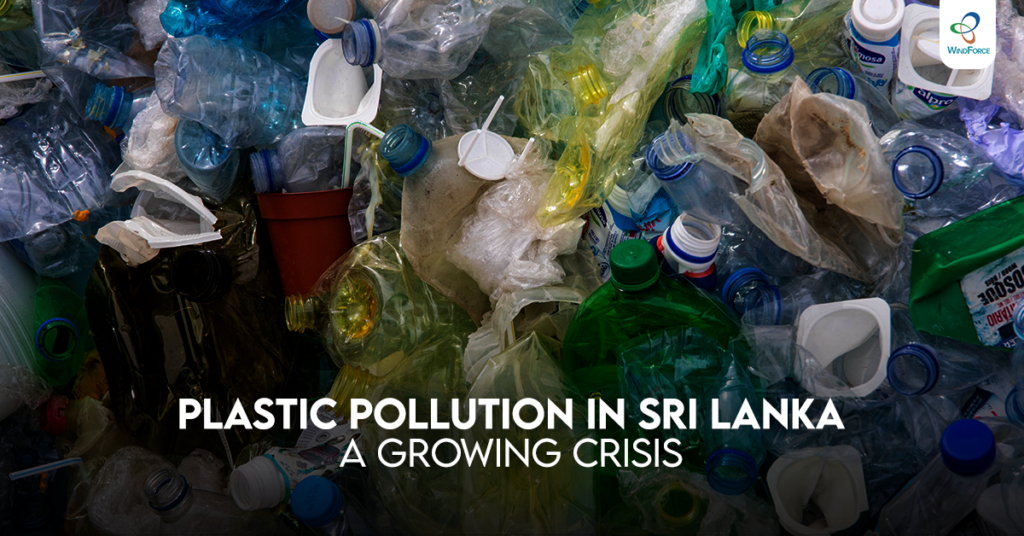
Sri Lanka faces a growing plastic pollution crisis, generating around 250,000 tonnes of plastic waste each year, with only 11% being recycled. The main causes include the widespread use of single-use plastics, poor waste management systems, inadequate recycling facilities, and improper disposal practices. As a result, large amounts of plastic end up in rivers, beaches, and the ocean, harming wildlife, polluting the environment, and increasing flooding by blocking drainage systems.
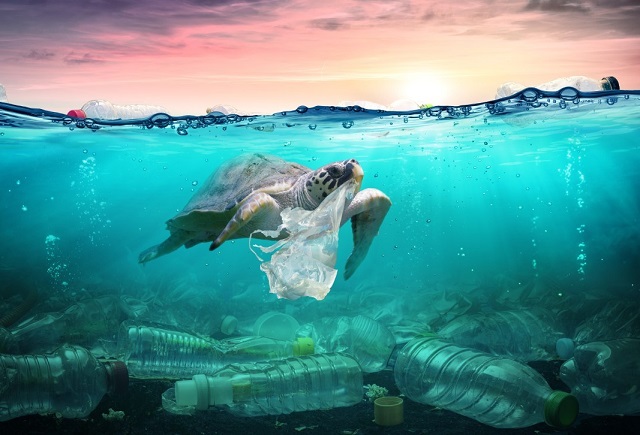
The impact of plastic pollution extends beyond environmental damage, affecting tourism, public health, and coastal communities. To tackle this issue, Sri Lanka needs stronger recycling programs, better waste collection systems, stricter regulations, and greater public awareness. By reducing plastic consumption and promoting sustainable alternatives, the country can work towards a cleaner and more environmentally responsible future.