
Teaching at a school is a rewarding and respected career in Sri Lanka, offering the opportunity to educate and inspire young students while contributing to the country’s future. School teachers play a vital role in developing students’ knowledge, skills, and values from an early age. To become a school teacher, individuals generally need to complete their G.C.E. Advanced Level examination and may further enhance their career prospects by obtaining qualifications such as a Diploma in Education, Bachelor of Education (B.Ed.), or a degree in their chosen subject area. Additional teaching certifications and training can also improve employment opportunities in both government and private schools.
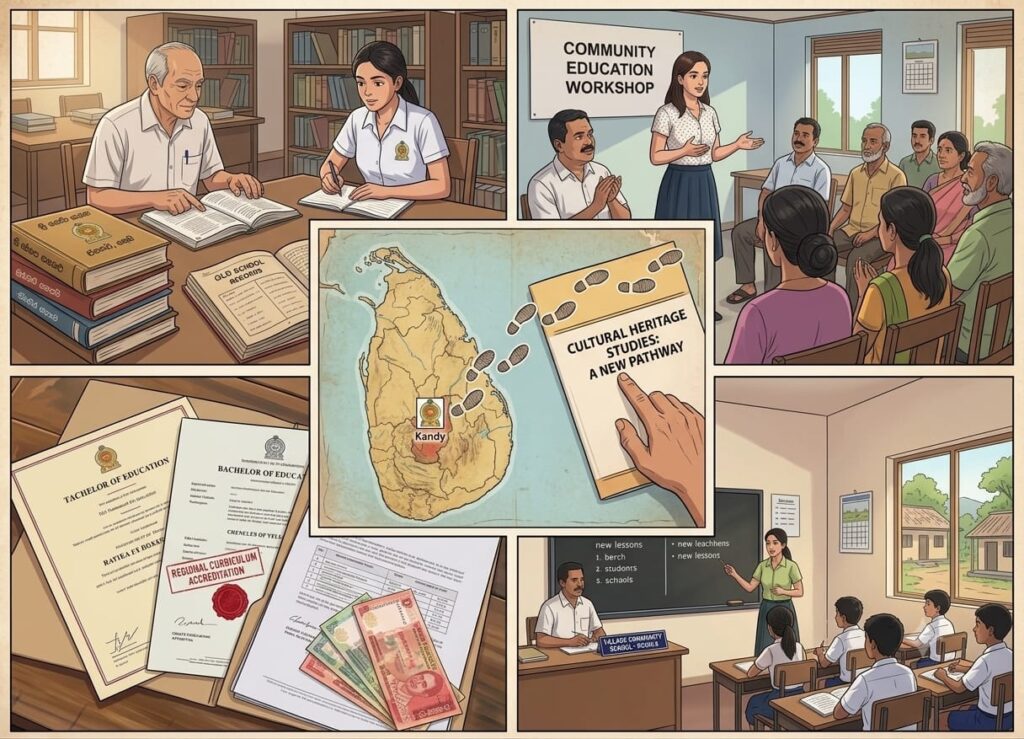
One of the main advantages of a school teaching career is its stability and structured career progression. Government school teachers receive a monthly salary along with benefits such as pensions, paid leave, and job security, while private and international schools may offer higher salaries based on qualifications, experience, and subject expertise. Teachers who continue their professional development can advance to positions such as sectional head, deputy principal, principal, or educational administrator. With growing demand for qualified teachers, particularly in subjects such as English, Mathematics, Science, and Information Technology, teaching remains a strong and fulfilling career choice in Sri Lanka.
