
The Sri Lankan Rupee has experienced significant depreciation over the past several years due to a combination of economic challenges. One of the main reasons is the country’s high level of foreign debt, which requires large repayments in foreign currencies such as US dollars. At the same time, Sri Lanka has often imported more goods and services than it exports, creating a trade deficit and increasing the demand for foreign currency. The decline in tourism revenue, fluctuations in foreign investments, inflation, and periods of economic and political uncertainty have also contributed to the weakening of the rupee. As the value of the rupee falls, the cost of imported goods such as fuel, medicine, and consumer products increases, which directly impacts the cost of living for citizens.
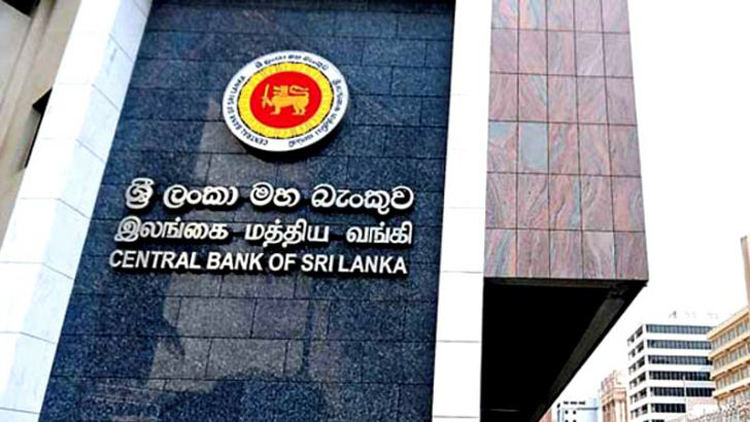
Despite these challenges, there is potential for the Sri Lankan Rupee to recover over time. A stronger currency depends on the country’s ability to increase foreign exchange earnings through exports, tourism, foreign direct investment, and remittances from Sri Lankans working overseas. Encouraging local production can help reduce reliance on imports, while sound economic policies and responsible government spending can improve investor confidence.
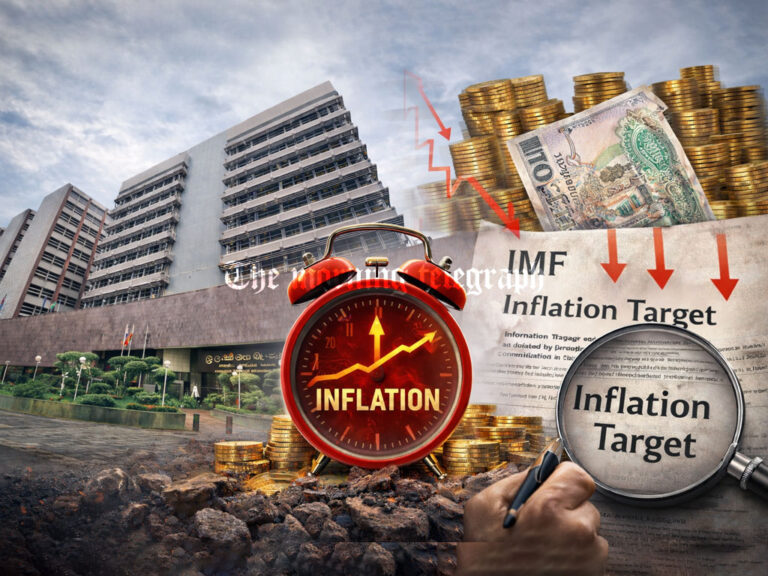

Sri Lanka also has opportunities to expand sectors such as information technology, professional services, and value-added manufacturing, which can generate additional foreign income. Although a full recovery will not happen overnight, continued economic reforms, sustainable growth, and increased foreign exchange inflows can help stabilize the economy and strengthen the rupee in the years ahead. With the right strategies and long-term planning, Sri Lanka can build a more resilient economy and improve the value of its national currency.
